The Escalating Threat: Unpacking Recent High-Value Pokémon Card Thefts
The world of collectible trading cards has undergone a dramatic transformation, evolving from a childhood hobby into a high-stakes investment market. With this surge in value, however, has come an unfortunate and alarming consequence: a significant rise in high-value Pokémon card thefts. From brazen smash-and-grabs to sophisticated tunneling operations and even armed robberies, criminals are increasingly targeting these valuable cardboard treasures, leaving a trail of significant financial and emotional loss for collectors and businesses alike. The trend highlights a stark reality: what was once considered niche is now a lucrative target for organized crime.From Retail Racketeering to Grand Larceny: Diverse Methods of Acquiring Stolen Pokémon Cards
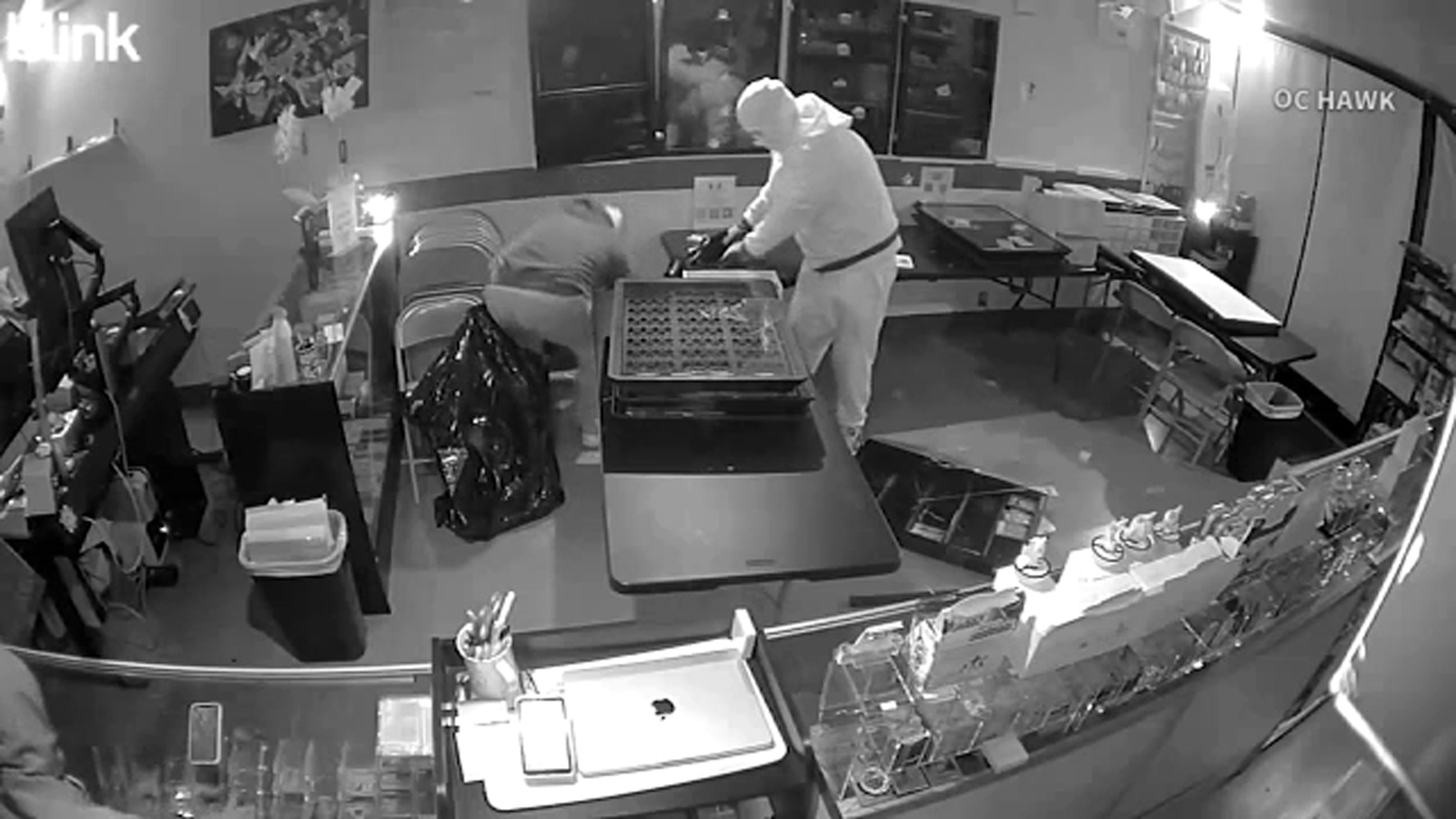
Recent incidents across the United States paint a vivid picture of the varied and increasingly bold tactics employed by those looking to profit from the booming market for stolen Pokémon cards. These aren't isolated incidents but rather a growing pattern, ranging from individuals knowingly trafficking stolen goods to groups executing highly coordinated heists. One notable case illustrating the illicit resale pipeline involves Stashu I. Roberts, 29, from Gloversville, New York. Roberts was apprehended in Malta, NY, following charges of criminal possession of stolen property in the 3rd degree (a class D felony) and fostering the sale of stolen goods (a class A misdemeanor). According to the Saratoga County Sheriff's Office, Roberts was accused of knowingly possessing approximately 105 assorted Pokémon and Yu-Gi-Oh! cards, intending to benefit himself, and utilizing a physical establishment to offer and sell these cards for cash on February 1st. This case underscores the existence of a secondary market for purloined collectibles, where individuals knowingly facilitate the flow of stolen merchandise for personal gain. It sheds light on the demand side of the illicit trade, where even seemingly small-scale operations contribute to the problem. Further West, the audacity of thieves reached new heights in Anaheim, California. In a shocking smash-and-grab incident, four suspects broke into an insurance office on February 18th around 3 a.m., then ingeniously tunneled their way through a shared wall into Do-We Collectibles on Harbor Blvd. Surveillance footage captured the entire incident, showing the culprits smashing display cases and making off with an estimated $180,000 worth of Pokémon cards, including one valued at $10,000 alone. Vincent Bui, owner of Do-We Collectibles, confirmed that his shop had been targeted twice in six months, suggesting that criminals often scout locations beforehand, understanding their "weaknesses." In a twist of fate, one suspect inadvertently dropped an unlocked phone at the scene, providing crucial evidence for the police. This incident is a stark reminder of the lengths criminals will go to, employing pre-meditation and specific planning to acquire high-value Pokémon cards. You can learn more about these elaborate schemes in our related article: From Tunnels to Chainsaws: The Bold Methods of Pokémon Card Thieves. The West Coast has seen even more disturbing developments. In Sawtelle, West Los Angeles, an armed robbery saw an estimated $300,000 in Pokémon cards stolen from a customer’s personal collection. The victim, a regular at RWT Collective, was held up with a handgun in an underground parking garage after leaving the store. Authorities suspect this incident might be connected to another brutal theft that occurred just days prior in Simi Valley. At Simi Sportscards, thieves broke into the shop around 3 a.m. with a chainsaw, destroying display cases and absconding with at least $50,000 in valuable cards. The LAPD is currently investigating the potential links between these two geographically close and similarly high-stakes crimes, hinting at a coordinated criminal effort targeting the lucrative collectible market. This escalation to armed robbery and violent entry methods signals a dangerous new chapter in the saga of stolen Pokémon cards.The Driving Force: Why Are High-Value Pokémon Cards Such Appealing Targets?
The primary reason behind the surge in these thefts is unequivocally the astronomical value that certain Pokémon cards command in today's market. What began as a nostalgic hobby for many has transformed into a serious investment avenue, comparable to fine art or rare coins. Several factors contribute to this phenomenon:- Rarity and Scarcity: First Edition, Shadowless, or holographic cards from early sets are incredibly rare, especially in pristine condition. Cards like the 1st Edition Charizard can fetch hundreds of thousands of dollars.
- Grading and Authentication: Professional Sports Authenticator (PSA) and other grading services assign numerical scores to cards based on condition. A perfect 'Gem Mint 10' can exponentially increase a card's value.
- Nostalgia and Investment Potential: The original generation of Pokémon players are now adults with disposable income, keen to reclaim pieces of their childhood or invest in assets they understand and appreciate.
- Global Demand: The market for Pokémon cards is international, creating a vast network of potential buyers, both legitimate and illicit, for rare and valuable items.
The high liquidity of these cards – their ability to be quickly converted into cash – makes them particularly attractive to criminals. Unlike a stolen car or piece of jewelry which might be traceable, individual, ungraded cards can be harder to identify as stolen Pokémon cards once they enter the wider market, especially if they are split from a larger collection. This makes them a high-reward, relatively low-risk target for thieves who understand their value.
Safeguarding Your Treasures: Practical Advice for Collectors and Businesses
The increasing frequency and audacity of these heists underscore the urgent need for enhanced security measures for both individual collectors and businesses. Protecting your investment and passion requires vigilance and strategic planning.For Individual Collectors:
- Inventory and Documentation: Maintain a detailed, up-to-date inventory of your collection, including high-resolution photographs, grading information (if applicable), and purchase records. Keep this documentation in a secure, off-site location or cloud storage.
- Insurance: Obtain specialized collector's insurance that specifically covers valuable collectibles against theft, damage, and loss. Standard home insurance policies often have low limits for such items.
- Secure Storage: Invest in high-quality, fire-resistant safes that are anchored to the floor or wall. Consider off-site, professional storage for your most valuable assets, similar to how fine art is stored.
- Discretion: Avoid publicly displaying the full extent or value of your collection, especially on social media. Be cautious when discussing your collection's worth with strangers.
- Authentication: Only purchase cards from reputable dealers. Be wary of deals that seem too good to be true, as they may be offers of stolen Pokémon cards.
For Card Shops and Businesses:
- Advanced Security Systems: Install robust alarm systems, motion sensors, and high-definition surveillance cameras both inside and outside the premises. Ensure cameras cover all entry points, display cases, and transaction areas.
- Reinforce Entry Points: Strengthen doors with commercial-grade locks, reinforced frames, and even security gates or grilles. Consider shatter-proof or impact-resistant glass for windows and display cases.
- Secure Storage for High-Value Items: Store the most valuable cards in heavy-duty safes overnight, preferably off-site or in a secure, hidden vault within the premises that requires significant effort to access.
- Staff Training: Educate staff on recognizing suspicious behavior, proper security protocols, and how to react during a potential robbery or break-in.
- Community Watch: Establish relationships with neighboring businesses and local law enforcement. Participate in community watch programs to share information about potential threats.
For a deeper dive into how shops are fortifying themselves and the broader context of these crimes, explore our article: Stolen Collections: Investigating the Surge in Pokémon Card Robberies.